
Built from the post down — with proper depth, alignment, and long-term structural stability.
Most fence failures start below grade.
We focus on post depth, soil stability, frost protection, and structural alignment before installing any boards.
Most fence failures begin below grade. We prevent that.
Utility Locate & Site Preparation
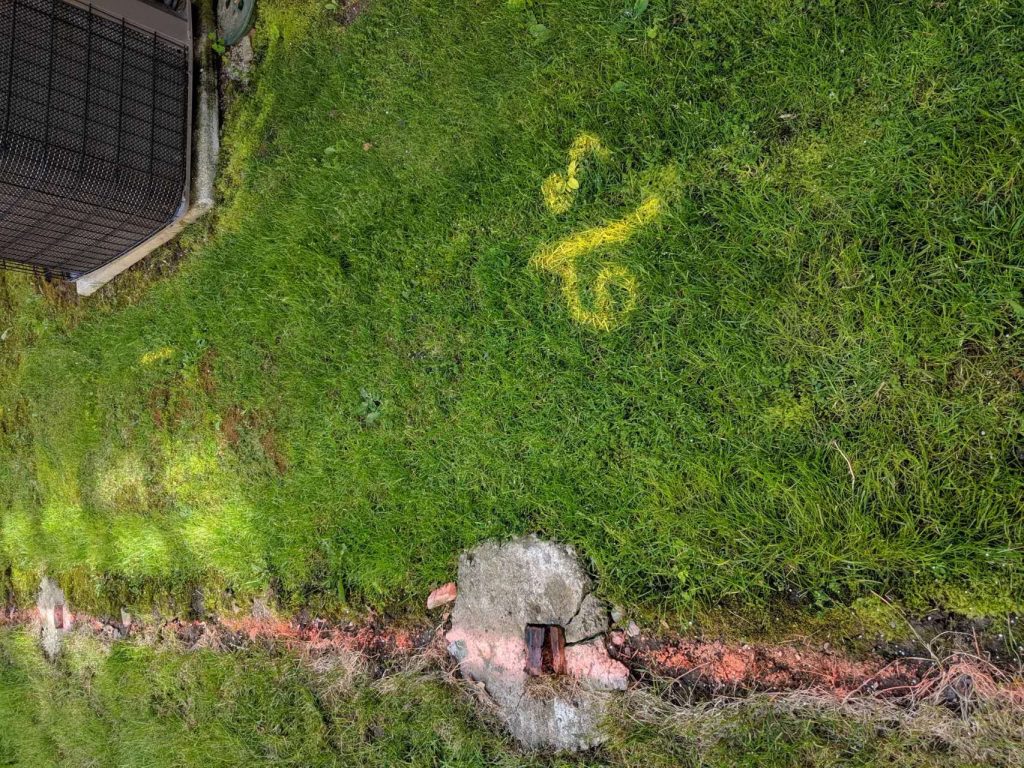
All underground utilities are located before drilling begins.
Gas, electrical, and communication lines are marked to ensure safe and compliant installation.
Post Drilling Below Frost Line
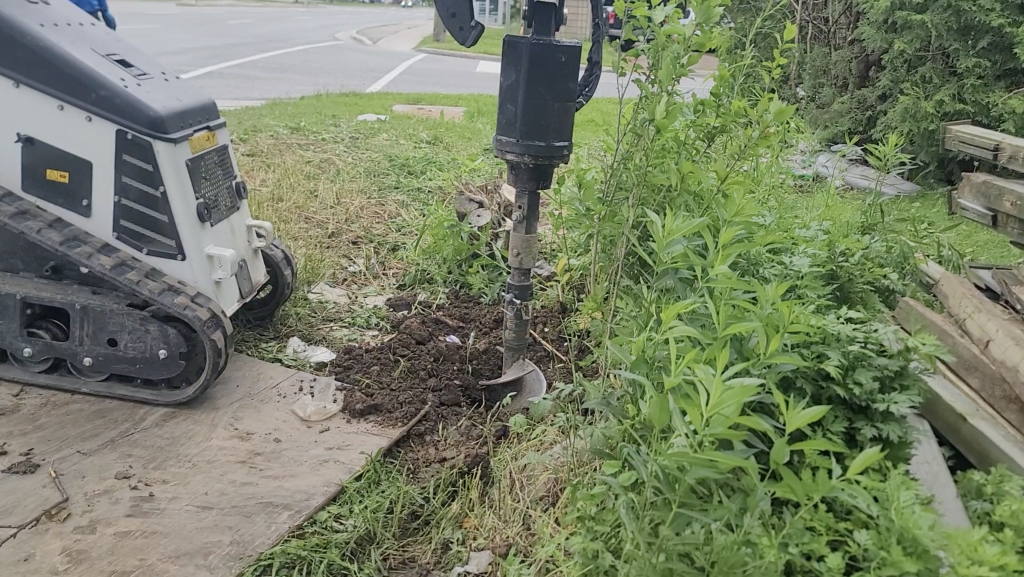
Fence posts are drilled to proper depth based on GTA frost conditions.
Deep-set posts reduce frost movement and long-term leaning.
We use mechanical auger drilling equipment for precision and structural consistency.
H2: Post Alignment & Structural Framing
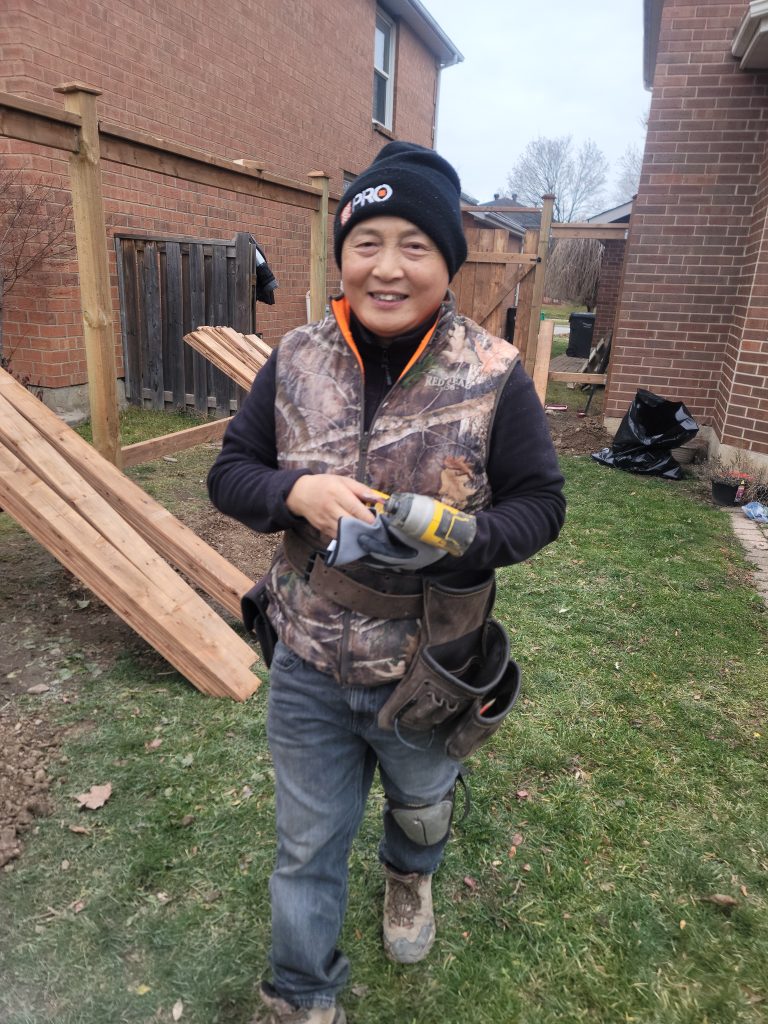
Post Alignment & Structural Framing
Posts are aligned using string lines and level references.
Concrete footing and correct spacing ensure structural load stability across the entire fence line.
Gate sections are reinforced to prevent sagging over time.
Common Fence Problems We Fix
- Leaning fence posts
- Frost heaving
- Sagging gates
- Rotted posts below grade
- Improper alignment
Many fence failures are structural — not surface-level issues.
Fence Replacement & Structural Upgrades in GTA
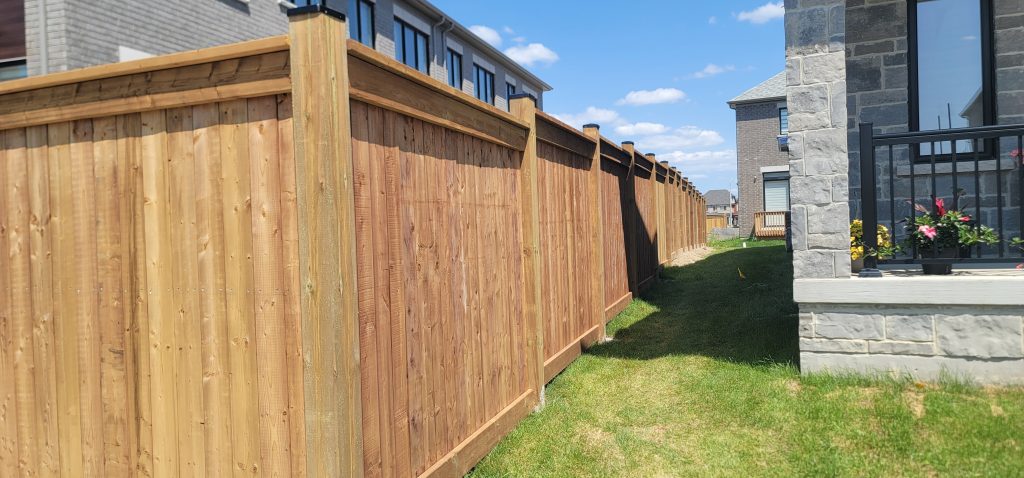
Older fences often fail below ground before visible damage appears.
We assess post condition, soil stability, and structural integrity before recommending repair or full replacement.
When replacement is required, we rebuild from the footing up.
Wood Fence Systems We Build
- PT wood fences
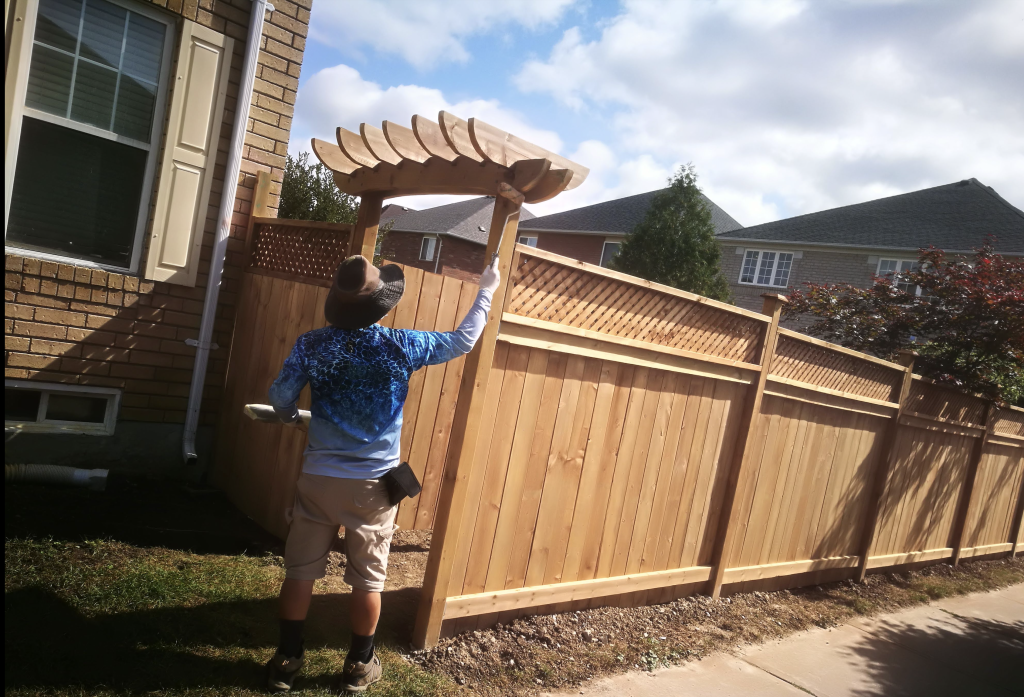
- Privacy fence systems
- Semi-privacy fence
- Decorative top lattice
- Reinforced gate systems
Fence Installation FAQ – GTA Structural Standards
Below are structural standards and common technical questions about fence installation in GTA climate conditions.
What is the proper way to install fence posts?
Fence post holes must be drilled straight, round, and below frost line depth — typically 36″ to 48″ in GTA soil conditions.
Posts should be fully encased in concrete to ensure long-term structural stability. Clean, vertical drilling allows proper concrete placement and resistance to frost movement and soil shifting.
Do fence posts need concrete footings
Yes. Fence posts in Ontario should be fully surrounded by concrete to prevent frost heaving, soil movement, and long-term leaning.
In GTA’s freeze–thaw climate, proper concrete footing is a structural requirement, not an optional upgrade.
Should fence rails be installed at a 90-degree angle to the posts
Yes. Fence rails must be installed perpendicular (90°) to the posts to properly transfer structural load.
When rails are square and aligned, fence panel weight is evenly distributed into the post and footing system. On sloped properties, stepped fence sections help maintain structural alignment while adapting to grade changes.
Should screws or nails be used for fence installation?
Both may be used, depending on the connection location.
Structural connections between rails and posts should use exterior-rated, corrosion-resistant screws for stronger clamping force and long-term durability.
Fence boards (such as 1×6 pickets) may be fastened with nails or screws, but all fasteners must be rated for outdoor use to prevent rust and structural loosening.
Do fence posts need caps?
Yes. Fence posts should have caps installed, whether wood or metal.
Post caps protect exposed end grain from rain and snow penetration. Without protection, moisture can accelerate rot, splitting, and long-term structural deterioration — especially in Ontario’s freeze–thaw conditions.
Should builder’s tubes (Sonotubes) be used for fence posts?
In most standard fence installations, builder’s tubes are not recommended.
Builder’s tubes are typically used for deck footings. Fence posts require direct contact between concrete and surrounding soil to improve lateral resistance and long-term stability.
Separating concrete from soil may reduce structural support and increase the risk of leaning over time.
Can I temporarily brace a broken fence post instead of replacing it?
No. A broken structural post should be replaced rather than temporarily braced.
When one post fails, structural load is redistributed to adjacent posts. Without proper vertical support, neighboring posts may begin to lean or crack due to increased stress.
Replacing the damaged post promptly helps prevent progressive structural failure along the fence line.
What is the maximum fence height allowed in Ontario?
Fence height regulations vary by municipality within the GTA.
In many Ontario cities, backyard fences are typically limited to approximately 6 feet (1.8 meters). If additional height is required for privacy or adjacent property conditions, a special application or variance may be necessary.
Front yard fences — particularly those near sidewalks, driveways, or intersections — may have stricter height restrictions to protect visibility for pedestrians and vehicles.
Homeowners should consult their local city by-law office before installation.
Looking for a Quick Estimate?
If you’re ready for a structural evaluation and on-site quote, visit our fence estimate page.